This article stems from a lengthy conversation with my two adult daughters about Barbie and its influence on young girls. During our discussion, the underlying concern we shared was whether their younger sister, who recently turned two, should be exposed to Barbie culture or not. I urge parents, especially those with young daughters, to read this article and hold meaningful discussions with them.
Barbie, the iconic doll introduced in 1959, has recently captured the attention of the media, not just as a beloved toy but also as the subject of a recently released Warner Brothers blockbuster movie. As one of Mattel Inc.'s flagship products, Barbie holds a staggering brand value of $700 million, but her journey has not been without controversy since her inception. In the early years, Barbie faced legal challenges due to her intriguing origin. She owes her existence to a 1950s German adult doll known as Lilli, which originally appeared as a character in a comic strip for the tabloid Bild. Lilli was portrayed as a flirtatious gold-digger and provocative exhibitionist.
Despite the controversy surrounding her copied origins, Barbie has since become an iconic figure for many generations of children around the world. Her journey from a German adult doll to a cultural phenomenon and now a Hollywood movie character is a testament to the enduring impact she has had on popular culture. The record-breaking movie, which has surpassed $1 billion in ticket sales, has rekindled an age-old debate about whether such an innocent-looking, kind-hearted, and easy-going plastic figure can have any negative influence on the minds and values of those who play with it.
Before delving into this debate, this very subject re-states how centrally important and impactful parenting is in a child's life. To illustrate this, children subjected to continual criticism and belittlement by their parents are statistically more inclined to develop diminished self-esteem as compared to those raised by supportive and affirming parents. Therefore, parenting is critical and as Muslims we recognize that while Allah (swt) causes all things to happen we are responsible and accountable for our deeds. This clearly implies that if we fail to offer our children the appropriate environment to develop as strong individuals with unwavering Iman and sound character, we shall be held accountable for our neglect.
The Traditional Doll vs Barbie
Girls have been playing with dolls for centuries. The positive effects of such play are recognized across cultures and religions. It fosters creativity, imagination, and storytelling skills as they create unique narratives and scenarios. It also encourages empathy and social skills as they engage in pretend play, nurturing their dolls and role-playing various life situations. Most importantly, through the caregiving and nurturing activities with their dolls, girls mimic aspects of motherhood and develop a sense of responsibility and empathy.
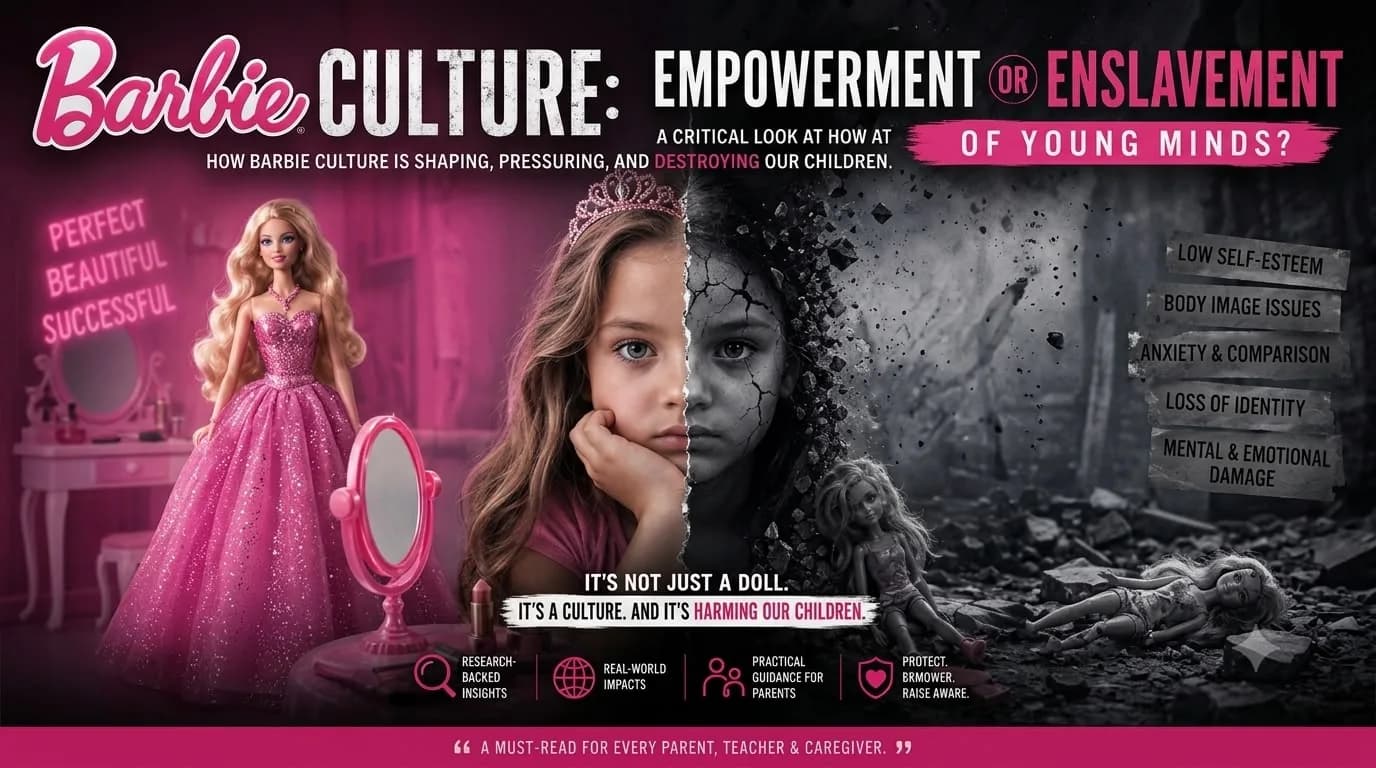
In stark contrast, it is highly questionable whether the Barbie doll provides any of these benefits. Barbie is not just a doll, it's an iconic figure, a phenomenon — by many estimates the most influential toy of the 20th century. Many Western researchers, including the author of "Barbie Culture", Mary Rogers, a Professor of Sociology at the University of West Florida, point towards this very influence as being detrimental for young girls.
Barbie's birth was a result of a rebellious mindset and its popularity was propagated by riding the tide of the second feminist wave of the 1960s. Instead of encouraging nurturing and motherhood, this new doll wanted to give unsuspecting girls "something more" — beauty standards, role models, make-up culture, cross-dressing and fashion, age-defiance, consumerism, and independence.
Beauty Standards
The main criticism of Barbie remains that it promotes unrealistic beauty standards and perpetuates a narrow and idealized image of femininity. This phenomenon has even gotten names of its own: the Barbie Effect or Barbie Syndrome. These refer to the negative impact the exaggerated proportions and focus on appearance have on girls' body image and self-esteem. Medically, this is known as body dysmorphia — a mental health condition in which you can't stop thinking about one or more perceived defects or flaws in your appearance.
Multiple research studies have corroborated the finding that girls exposed to Barbie have lower body esteem and a greater desire for a thinner body shape than girls without such exposure. The original proportions of Barbie give her a body mass index (BMI) so low that she would be unlikely to menstruate, be anorexic, and would likely have to walk on all fours. This body shape has a likelihood of less than one in 100,000 women. For a young and healthy adult woman to emulate Barbie's body proportions, she would have to grow by an additional 24 inches in height, gain 5 inches in chest measurement, extend her neck length by 3.2 inches, and simultaneously reduce her waist by 6 inches.
Role Models
Unfortunately, the effects of Barbie Syndrome aren't limited to just feeling ashamed of your body. It has become quite common that girls and even women undergo multiple surgeries and suffer from eating disorders such as anorexia nervosa or bulimia while trying to become like a Barbie, which they see as their role model. Anorexia nervosa is the single deadliest mental health condition — 5% to 20% of people diagnosed with anorexia will ultimately die from its ravaging effects on the body and mind.
Cindy Jackson held the Guinness Book of World Records for undergoing the most consecutive cosmetic surgeries for over a decade. At age six Cindy was obsessed with looking like Barbie. It took her over thirty-one surgeries, fourteen years, and thousands of dollars to become the "human Barbie." These occurrences are not isolated and can't be dismissed casually. Cosmetic surgeons in the US have expressed genuine concerns regarding the emergence of a new wave of unrealistic beauty standards, driven by the success of the Barbie movie.
Make-up Culture
The makeup industry has experienced exponential growth in recent years. The global cosmetics market was valued at over $500 billion in 2023. Barbie, with her glamorous image and emphasis on beauty and fashion, has contributed to shaping beauty ideals for several generations of individuals. Barbie's emphasis on glamor and fashion creates an aspirational image that young girls may strive to emulate — an early interest in experimenting with makeup, potentially leading to increased spending on beauty products as they grow older.
Cross-dressing and Fashion
Barbie's iconic high-heeled shoes have the potential to influence girls' and women's footwear choices despite their impractical and harmful nature. According to a study conducted by the American Orthopaedic Foot and Ankle Society, 50% of women experience daily pain from wearing high-heels. The global high-heel industry is worth $35 billion. Will it prioritize women's well-being or continue to prioritize profits?
The year 2017 witnessed a significant stride as Mattel introduced ethnically and racially diverse dolls, including the first-ever hijab-wearing Barbie doll. However, this strategy wasn't devoid of controversy, as it raised valid concerns that Mattel is treating racial and ethnic distinctions as mere collectibles, commodifying religions and cultures in the process. Furthermore, this endeavor has sparked concerns, as it promotes a specific style of dress as being Islamic that numerous Muslim scholars deem impermissible due to its contour-revealing design.
Consumerism
More than 100 Barbies are sold every minute, and over a billion Barbie dolls have been sold. No wonder that 92% of American girls aged 3 to 12 own an average of 12 Barbies. The prevalence of Barbie culture has actively contributed to the rampant consumerism and materialism that saturate modern society. The branding of Barbie and all her accessories implicitly communicated the need to have it all — the clothes, the house, the car — to be cool. In stark contrast to Barbie's tagline, it's clear that plastic is far from fantastic.
Islamic Perspective
Having discussed Barbie's contribution to society from various perspectives, and having established from a fairly ideologically neutral point of view the harm and dangers that she harbors, it is now time to seek divine guidance on the matter. We as Muslims believe that Allah (swt) has guided us in all aspects of life and parenting is of course not an exception. As parents, we are commanded:
"O you who have believed, protect yourselves and your families from a Fire whose fuel is people and stones..." [TMQ At-Tahrim: 6]
يَـٰٓأَيُّهَا ٱلَّذِينَ ءَامَنُوا۟ قُوٓا۟ أَنفُسَكُمْ وَأَهْلِيكُمْ نَارًۭا وَقُودُهَا ٱلنَّاسُ وَٱلْحِجَارَةُ
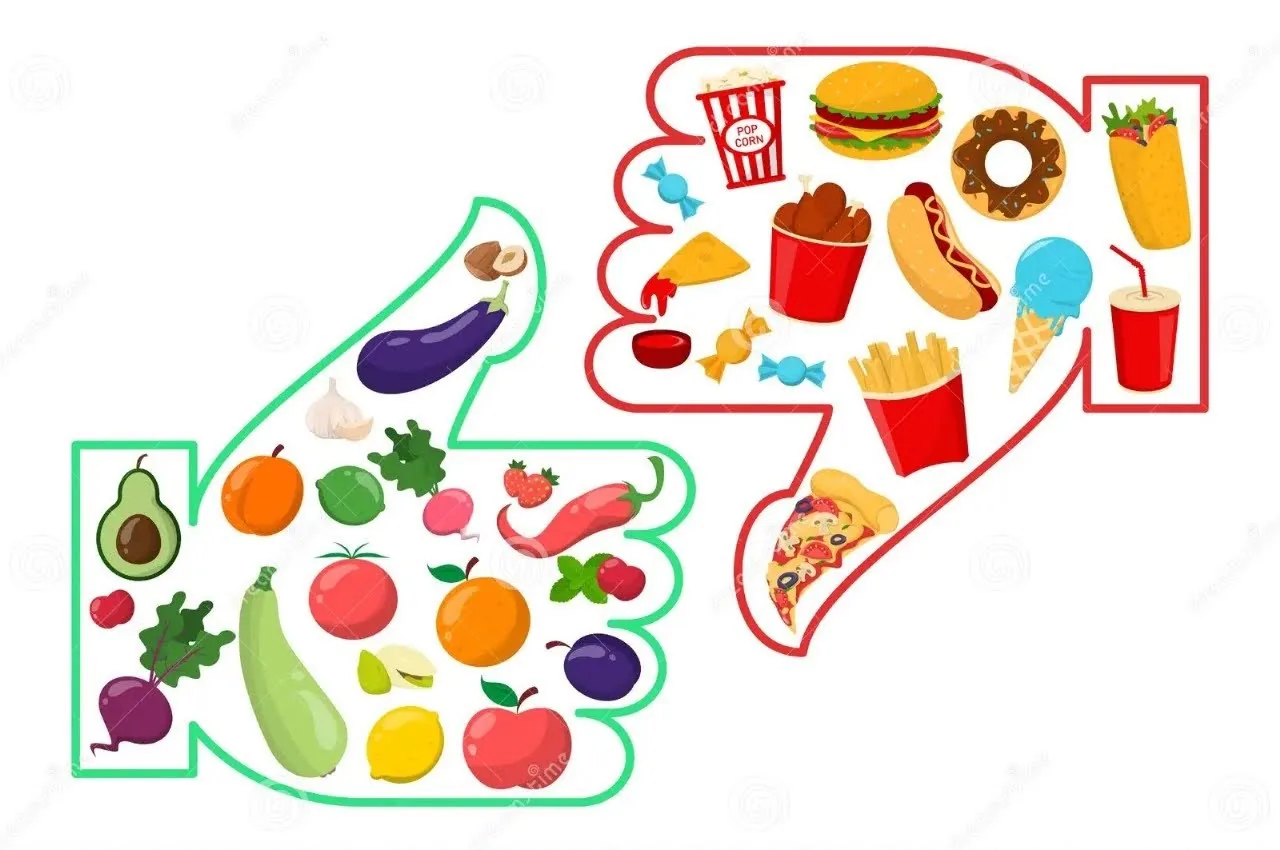
So, parenting is a critical matter — we should be at least as careful in allowing our children to play with something as we would be when it comes to what they eat. We would at no cost let them ingest poison, nor would we be comfortable with them consuming junk food unchecked. Then how can we put our daughters in a situation which is more than likely going to affect their thoughts, values, behaviors, health and connection to Islam?
Why would a parent permit their young daughters to engage with and be shaped by a provocatively attired, excessively sexualized, adult-like doll? Which parent would want their daughters to adopt such a doll as their role model instead of the Mothers of the Believers (ra), the daughters of the Prophet (saw), and the female companions of the Prophet Muhammad (saw)?
Conclusion
In conclusion, the discourse surrounding Barbie culture highlights both its influence and potential consequences on young minds. The importance of mindful parenting hasn't been more significant ever before due to the pervasive western cultural values that are polluting our young minds. Barbie has proven to be one such pollutant, which can easily be ignored by parents as being just another toy. However, the evidence against this view is compelling and when viewed from the Islamic perspective, it becomes even clearer how important it is to save our progeny from such evil influences.
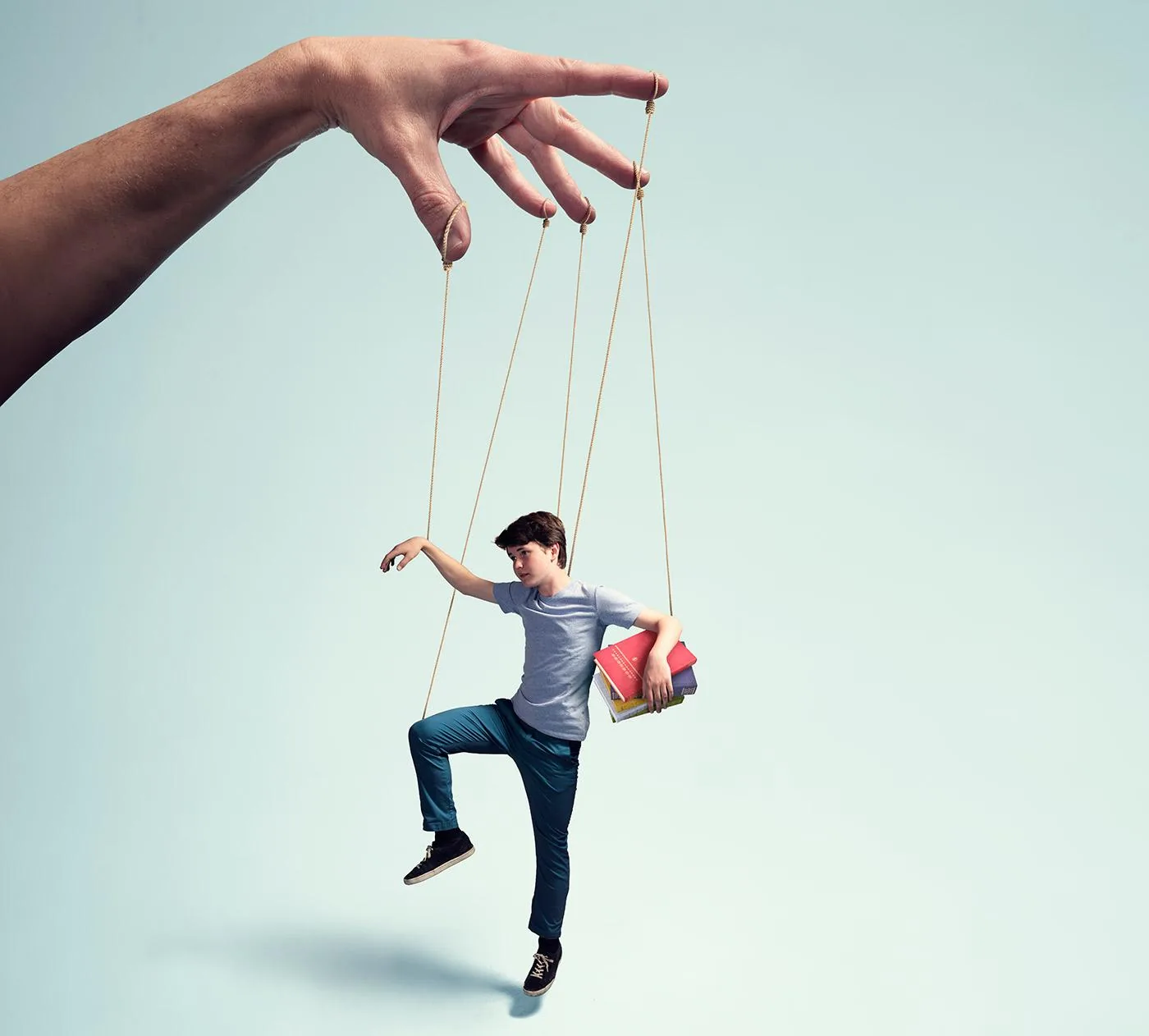
What is presented as empowerment is actually enslavement — enslavement of corporate-defined beauty standards and of our own desires (hawā) fanned by such shallow standards.
For those who still idealize Barbie, here is some good news: Achieving Barbie-influenced feminine allure just requires the precise blend of self-doubt, bulimia, and surgery!
For those who idealize Islam, here is some good news: "But as for those who believe and do righteous deeds, We will admit them to gardens beneath which rivers flow, wherein they abide forever. [It is] the promise of Allah, [which is] truth, and who is more truthful than Allah in statement." (TMQ Surah An-Nisa:122)
وَٱلَّذِينَ ءَامَنُوا۟ وَعَمِلُوا۟ ٱلصَّـٰلِحَـٰتِ سَنُدْخِلُهُمْ جَنَّـٰتٍۢ تَجْرِى مِن تَحْتِهَا ٱلْأَنْهَـٰرُ خَـٰلِدِينَ فِيهَآ أَبَدًۭا