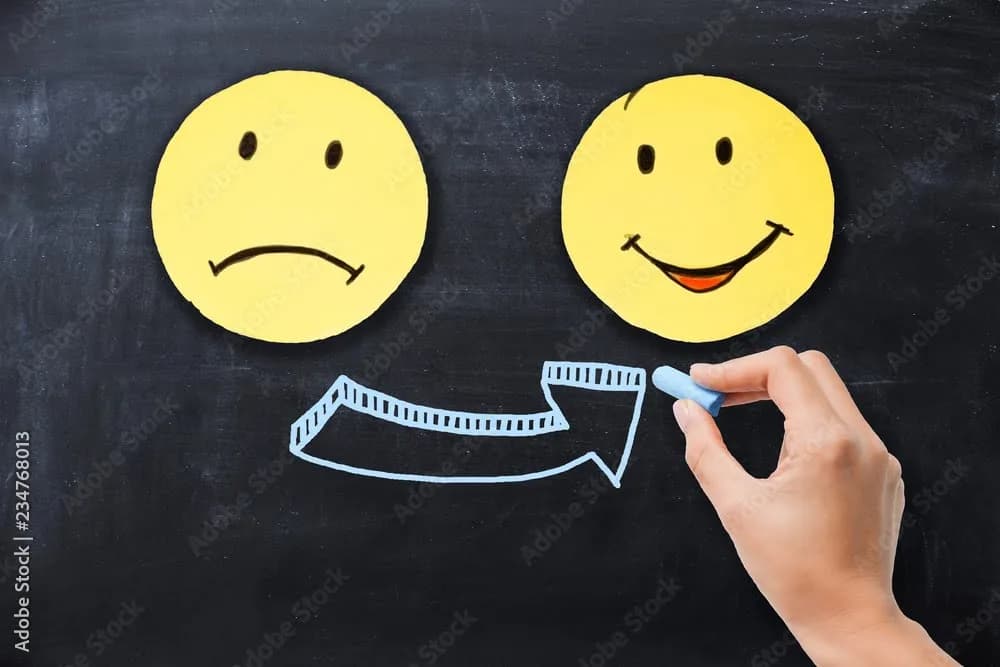
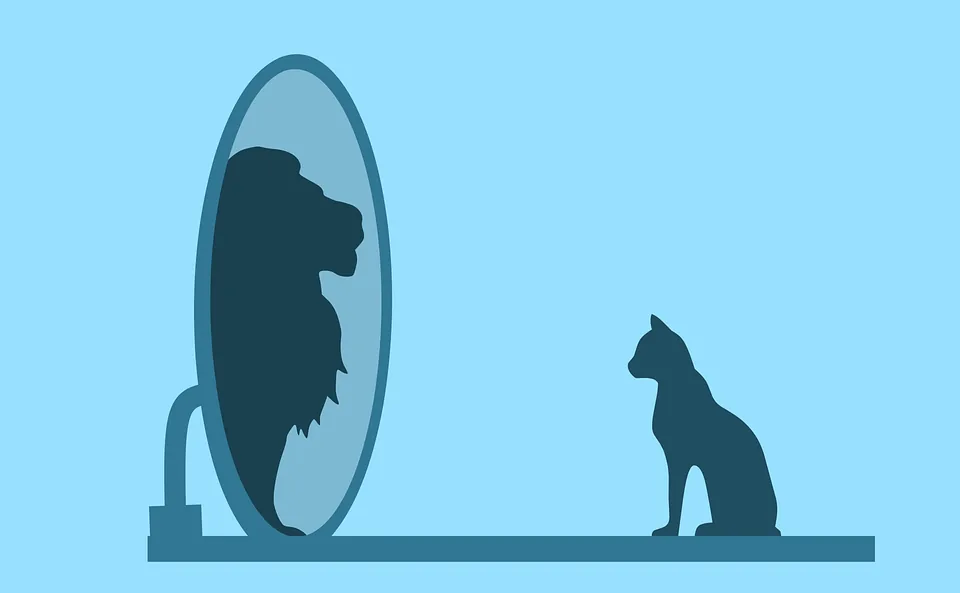
Self-esteem refers to a person's overall sense of their value or worth. It determines how much a person appreciates, likes, approves of, or prizes themselves. Individuals with high self-esteem (HSE) are widely reported to be linked with all kinds of positive outcomes, such as academic achievement, interpersonal success, and happiness. In contrast, science has established a causal link between low self-esteem (LSE) and a whole range of negative outcomes. Depression, substance abuse, antisocial behavior, rejection by peers, low academic achievement, eating disorders, early sexual activity, and suicidal attempts are the most common.
The sharp global increase in negative behaviors should leave no doubt about the dwindling self-esteem that engulfs humanity, especially the youth.
Contextualizing Self-Esteem
The most critical aspect of understanding self-esteem is that it is not an agnostic subject devoid of values with a universal approach. It is not like 1 + 1 = 2 or the laws of motion. Self-esteem is deeply connected to values. How one sees their own worth or what one considers happiness or success is built upon a viewpoint and criteria that we each use to measure things.
In the secular context, self-esteem is measured based on personal perception and benefit — and here lies the serious problem. Self-esteem is driven and measured by societal expectations and standards such as physical attributes, wealth, and status — thereby promoting traits such as narcissism, immorality, arrogance, and exploitation.
Consider the millions of people who are differently abled, or fighting debilitating illnesses, or who are innately not academically bright. How are they viewed in secular society? Anyone who has not won the genetic lottery is clearly at a loss in a worldly sense. If we consider the prominent secular view — the life of this world only, the afterlife irrelevant — the right-hand side of the equation below is essentially zero:
Lifespan + Pleasures − Losses = 0
This gives undue importance and a dangerously high focus to life in this world. Perhaps, a large portion of suicides, depression, and anxiety can be explained by this equation. This is the disease of secular values.
Self-Esteem in the Islamic Context
Self-esteem is a central component of Islamic teachings. Islamic texts, whether Qur'an or Hadith, are full of reminders to individuals of their high value. Allah (swt) proclaims in Surah At-Teen:
لَقَدۡ خَلَقۡنَا الۡاِنۡسَانَ فِىۡۤ اَحۡسَنِ تَقۡوِيۡمٍ
"We have certainly created the human in the best of forms." [95:4]
Any kind of hopelessness or despair is strongly discouraged in Islam. We are also taught what real loss (khusr) is — it is not connected to physical losses but to our actions and decisions, which go against the teachings of Islam. The focus is on the inputs and not on the outcomes, which we understand to be in Allah's hands. Be it our skin tone, health, or provisions (rizq), we know this is the domain of Allah (swt).
Therefore, we, as Muslims, have the eternal hereafter (Akhirah) on the right-hand side of the equation as well. This means any hardship that wasn't the result of our agency reminds us of the reward we will get in the hereafter if we face it with perseverance (sabr).
Lifespan + Blessings + Tests = Akhirah (Jannah or Jahannum)
With this clarity, what should be valued? Those attributes we had absolutely no control over, or those choices that will determine our eternal fate? It is clearly the latter.
Rasoolallah's (saw) Example
Like all other aspects of life, Rasoolallah (ﷺ) has also guided us in matters of self-esteem with his perfect example. There are many incidents that show how he would never belittle anyone, never let any opportunity for appreciation and praise escape, and direct his companions' attention to the real value rather than the superficial one.
On one occasion, when the Sahaba (ra) laughed at Abdullah bin Masud (ra) for his weakness and small legs, he (ﷺ) sternly asked them what they were laughing at. Upon their reply, he (ﷺ) said:
عَنِ ابْنِ مَسْعُودٍ ... فَقَالَ رَسُولُ اللَّهِ صَلَّى اللَّهُ عَلَيْهِ وَسَلَّمَ ... وَالَّذِي نَفْسِي بِيَدِهِ لَهُمَا أَثْقَلُ فِي الْمِيزَانِ مِنْ أُحُدٍ
"By the one in whose hand is my soul, they will both be heavier on the Scale than the mountain of Uhud." (Musnad Aḥmad)
Similarly, the bedouin companion Zahir bin Hizam (ra) was loved by the Prophet (saw) despite his unpleasant appearance. When he once lamented "O Messenger of Allaah, by Allaah you will find me to be a poor sell," the Prophet (ﷺ) said: "But with Allah you are priceless."
The above examples clearly show how the Prophet (ﷺ) attached value not with physical attributes such as beauty, but rather with intentions, beliefs, and actions.
Recognizing Low Self-Esteem
It can be difficult to identify low self-esteem in children because they might not have the vocabulary or cognitive awareness to express their emotions accurately. However, some indications include:
- Negative self-talk: Kids with low self-esteem might be overly critical of themselves and use words like "I'm useless" or "I'm no good at anything."
- Refusing to take responsibility: Children may shy away from trying new things out of concern that they will fail.
- Social withdrawal: Children may avoid social situations or have trouble making friends because they think they are unworthy of acceptance.
- Perfectionism: Ironically, kids with low self-esteem may have excessively high standards for themselves and berate their own performance.
- Lack of confidence and self-doubt: Children may lack confidence in their abilities, struggle to make decisions, and have difficulty standing up for themselves.
If you, as a parent or teacher, notice any of these behaviors, the one who needs coaching or counseling the most isn't the child but rather the parent or teacher!
Causes of Low Self-Esteem
Some factors that can contribute to low self-esteem in children include:
- Parenting pressure: Children raised in environments that are overly critical, neglectful, or lack emotional support are very prone to developing low self-esteem.
- Peer pressure and bullying: Negative social interactions can significantly impact a child's self-esteem. The right choice of school is a very important decision in this context.
- Academic achievement pressure: Children who struggle with academic performance may experience lower self-esteem — especially with parents who are harsh and have unrealistic demands.
- Media and societal pressure: Messages from the media regarding beauty standards, success, and achievement may lead to low self-esteem. Girls are especially susceptible to idealized beauty standards.
- Unhappy marriages or broken families: Children growing up in households with constant conflict may experience negative effects on their self-esteem.
Inculcating and Maintaining High Self-Esteem
Strengthen the Aqeedah: A strong Aqeedah provides a clear understanding of one's purpose in life, emphasizing that every individual has inherent worth and value as a creation of Allah. It teaches self-acceptance, trust in Allah's decree, and that the ultimate measure of success is not based on worldly standards but on seeking Allah's pleasure.
Understand nafs: Spending time with and understanding one's nafs (self or inner self) in the context of Islam contributes to: cultivating self-awareness and realistic self-perception, recognizing the innate potential and the ability for positive change, developing self-discipline and overcoming negative traits, and nurturing spiritual growth.
Adopt a mission in life: Keeping yourself busy with something bigger than yourself — be it philanthropy, learning a language, a skill, or gardening — can help you take the focus away from your own weaknesses and shift it towards more positive and productive activities.
Choose good company: Surrounding oneself with positive, supportive, and uplifting individuals can provide encouragement, validation, and a sense of belonging. The Prophet Muhammad (ﷺ) said:
عَنْ أَبِي هُرَيْرَةَ ... "الرَّجُلُ عَلَى دِينِ خَلِيلِهِ فَلْيَنْظُرْ أَحَدُكُمْ مَنْ يُخَالِلُ"
"A man follows the religion of his friend; so each one should consider whom he makes his friend." [Sunan Abi Dawud]
DRESS (Diet, Routine, Exercise, Sunshine and Sleep): A balanced diet supports brain function and mood. A structured routine provides stability and a sense of purpose. Regular exercise releases endorphins. Sunlight promotes Vitamin D and mood regulation. Quality sleep contributes to improved mood, cognitive function, and a positive outlook on life.
By incorporating all the above elements into daily life, individuals can experience improved self-esteem, enhanced mental health, and an overall greater sense of well-being.